New York Fired vs Quit Pay Rules for Event Staff
August 10, 2026

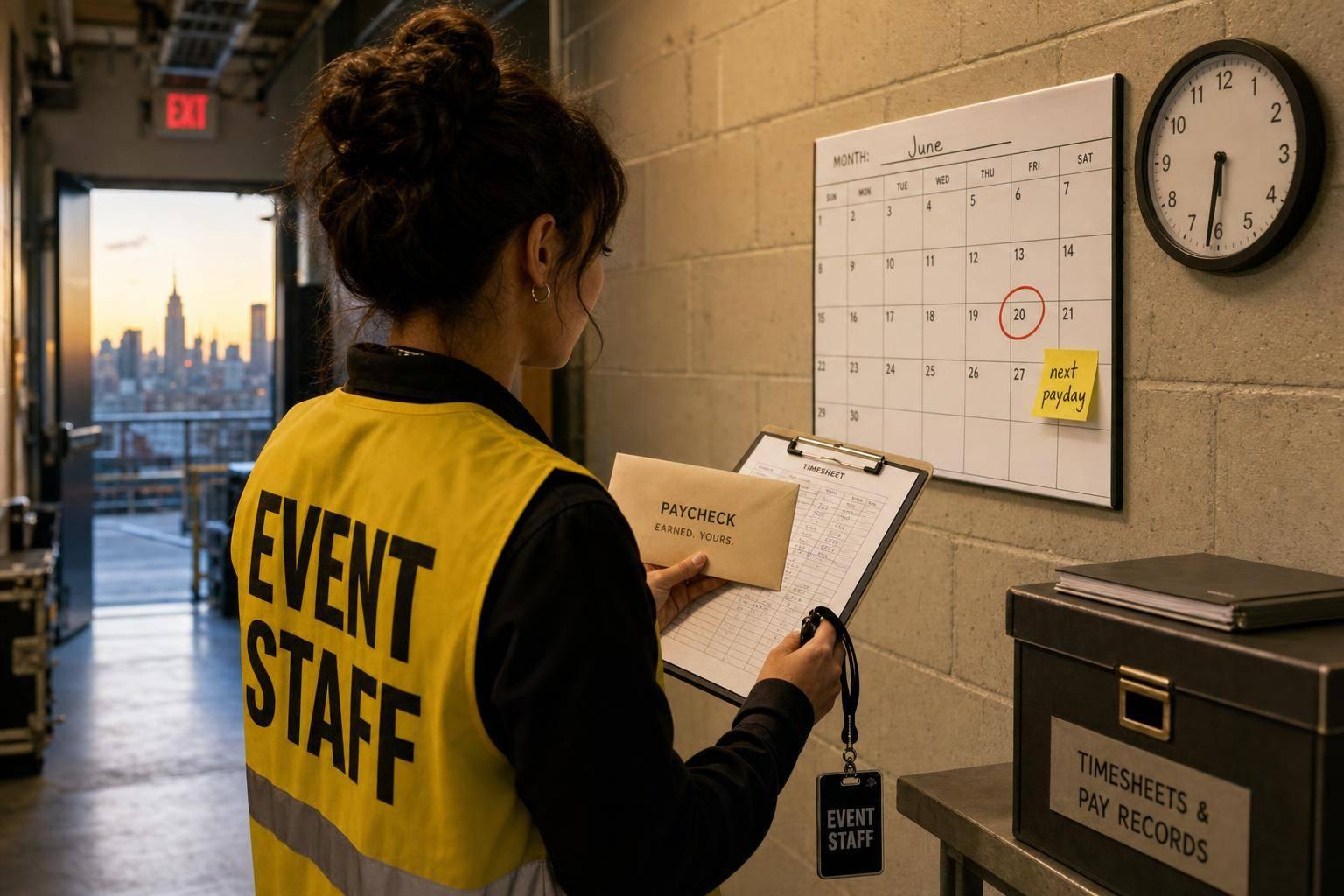
In New York, fired and quit event staff have the same final paycheck deadline: the next regular payday. If I’m handling payroll and event scheduling, that means I do not change the due date based on whether someone was fired, resigned, no-showed, or walked off mid-shift.
Here’s the short version:
This also means I can’t hold back earned pay because someone quit without notice or left during a shift. If they worked, they must be paid for that time.
Quick Comparison
| Issue | Fired | Quit |
|---|---|---|
| Final pay deadline | Next regular payday | Next regular payday |
| Earned wages due | Yes | Yes |
| Overtime due | Yes | Yes |
| PTO/vacation payout | Based on written policy | Based on written policy |
| Same-day pay required | No | No |
| Main admin focus | Last day, reason for separation, final hours | Notice, last shift, final hours |
If I had to boil the article down to one point, it’s this: the deadline stays the same, but the records still matter.
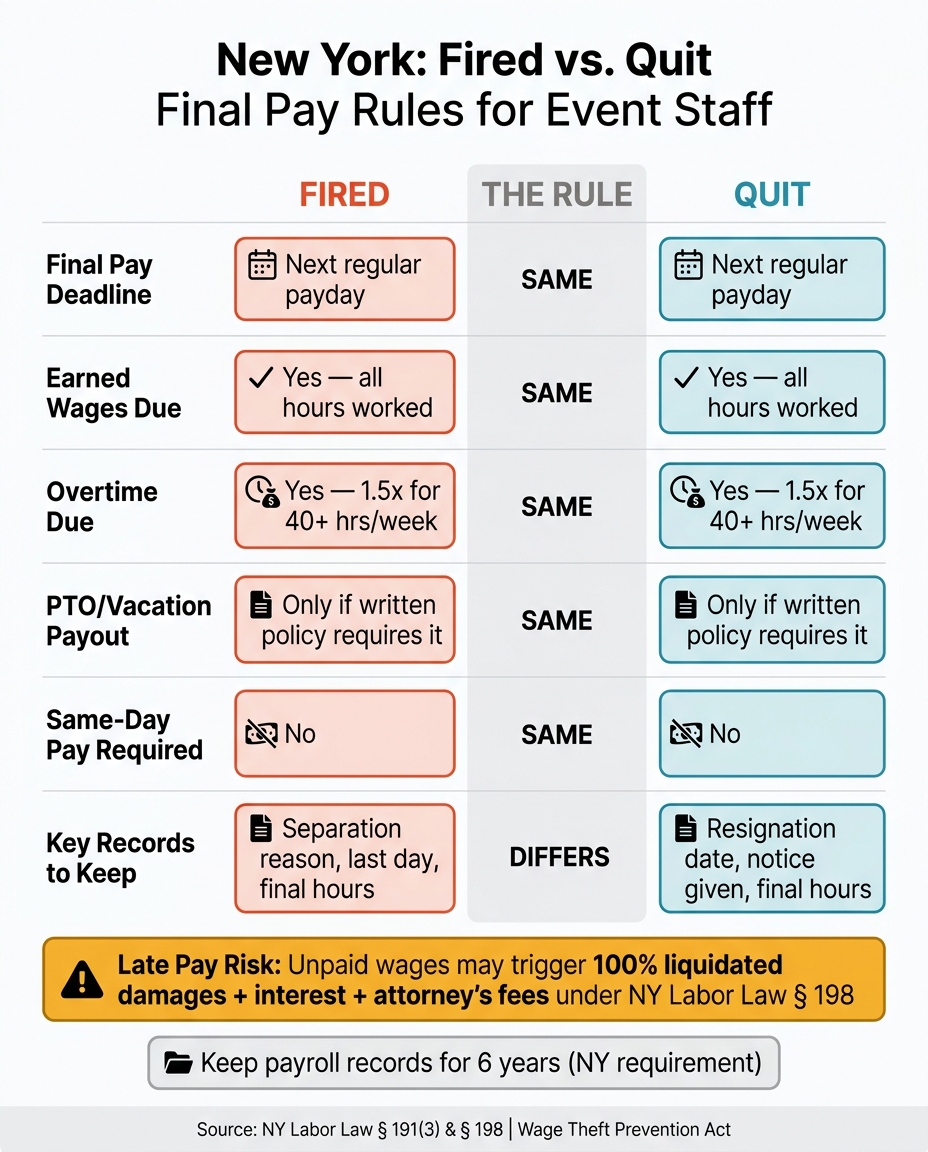
NY Fired vs. Quit Final Pay Rules for Event Staff
Under New York Labor Law § 191(3), a fired employee’s final wages are due by the next regular payday for the pay period when the termination happened. After a firing, the first payroll job is simple: make sure every dollar already earned is in that final check before payroll closes.
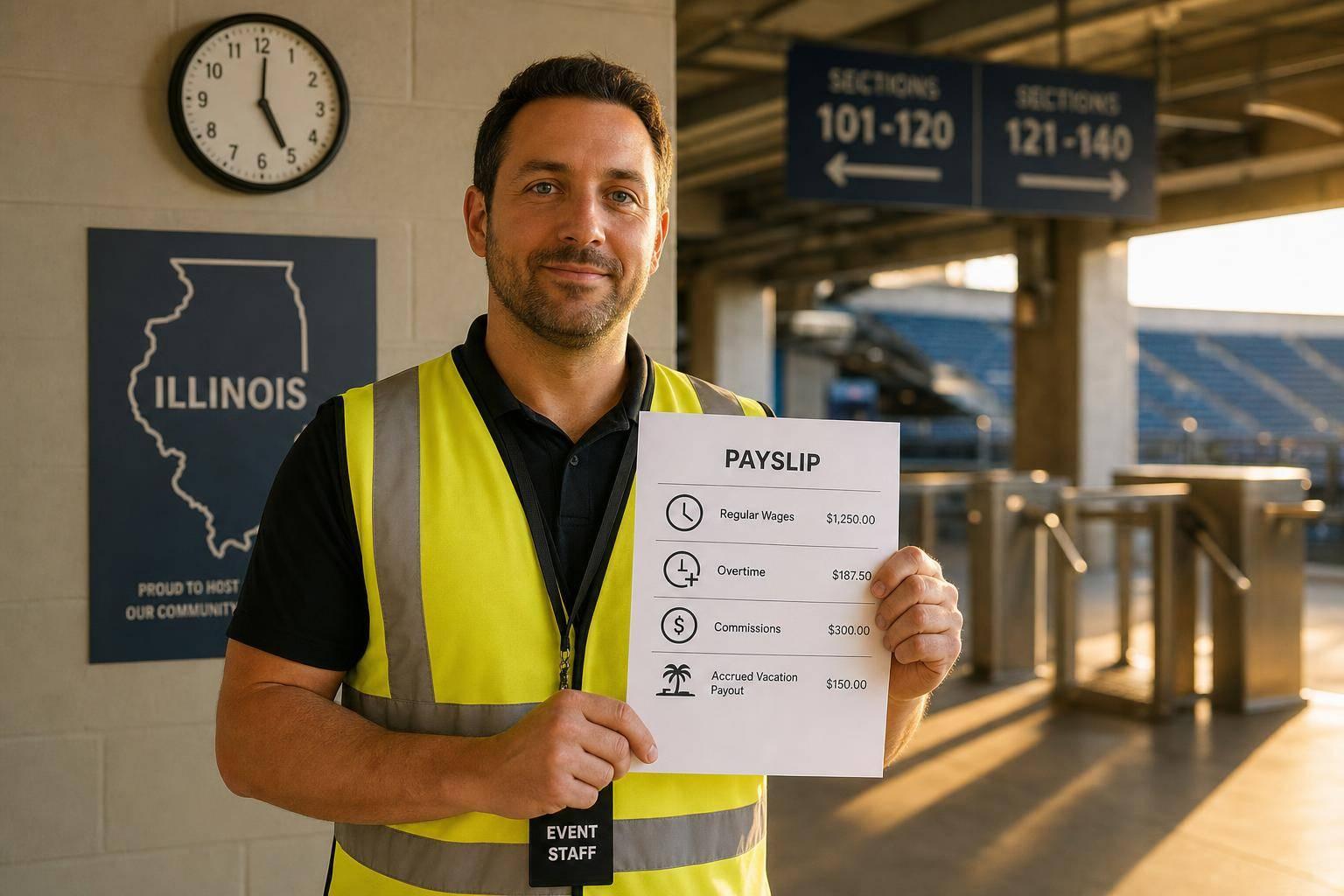
The final paycheck must cover all wages earned through the last shift worked. That includes regular hourly pay and overtime at 1.5 times the regular rate for any hours over 40 in the workweek.
Vacation or PTO is different. It must be paid out only if the employer’s written policy says it will be. If the policy clearly says unused time is forfeited, that rule can apply.
The biggest payroll problem after a firing is missed compensable time. In event work, that happens all the time. A bartender may clock in for service, but what about the time spent stocking the bar before guests arrive? Or the extra time spent breaking down tables after the event ends? If that work was required, it counts as paid time whether or not it shows up on the timecard.
Meal breaks can create trouble too. Automatic meal-break deductions may look clean on paper, but if the worker was still doing the job during that break, the deducted time is unpaid work. That’s where payroll files can go sideways fast.
Under New York’s Wage Theft Prevention Act, employers that underpay wages can face liquidated damages equal to 100% of the unpaid wages, plus interest and attorney’s fees. Workers can also file wage claims for up to six years after the violation.
Before closing the file, review:
The deadline is the same when someone quits; the next section explains what shifts in the records and payout review.
The deadline stays the same. What changes is not when you pay, but what still needs to be paid and what needs to be documented.
Whether a banquet server gives two weeks’ notice or a bartender quits right after a Saturday wedding, the final paycheck is due no later than the next regular payday for the pay period when the job ended. A planned resignation gives managers more time to check hours and confirm the last shift. But the closeout process still matters, especially when you’re wrapping up the employee file.
You still owe pay for all hours actually worked, right up to the employee’s last minute on the job. If that workday went past 10 hours, spread-of-hours pay may also apply. That means an extra hour of pay at minimum wage.
Other earned pay can still be due too, including:
That applies if those amounts were already earned under a written policy or agreement.
Unused vacation or PTO is a separate issue. In New York, payout of unused vacation or PTO is not automatic when someone resigns. If your written policy says that unused time is not paid out after a resignation, that rule is usually enforceable as long as workers were told about it in advance. This is where clean shift records help a lot. If the records are messy, simple payroll checks can turn into a headache fast.
The main question is simple: Did the worker do any work?
A no-show means the person was scheduled but never started the shift. In that case, no wages are owed for that shift unless there was some guaranteed-hours arrangement.
A walk-off is not the same thing. If the worker started the shift and then left early, you owe pay for every minute actually worked.
That distinction matters in payroll review. It also helps when you need to back up whether the worker quit or was let go. Clear status records make that much easier to sort out. Quickstaff can help by tying each worker to specific events and shifts.
In New York, the final-pay rule is the same whether someone is fired or quits. The deadline does not change: final pay is due on the next regular payday for the pay period when employment ended.
What’s owed is also the same in both cases. That includes earned wages and any amounts still due under a policy or contract. And if an employer misses the mark, the risk looks the same either way. Under New York Labor Law § 198, a worker who wins a wage claim may recover liquidated damages of up to 100% of unpaid wages, plus pre-judgment interest and attorney's fees.
So the deadline stays fixed. The part that changes is the paperwork you keep when the worker leaves.
| Fired | Quit | |
|---|---|---|
| Final pay deadline | Next regular payday | Next regular payday |
| Wages included | All earned wages, overtime, and policy- or contract-based amounts | All earned wages, overtime, and policy- or contract-based amounts |
| Late pay exposure | Liquidated damages, interest, attorney's fees | Liquidated damages, interest, attorney's fees |
| Recordkeeping needs | Separation reason, last day worked, policy-based payouts | Resignation date, notice given, earned payouts |
One common mistake is treating final pay like leverage. It isn’t. New York does not let employers withhold earned wages because a worker quit, no-showed, or walked off a shift.
The other mistake is assuming a firing means payment is due that same day. It’s an easy mix-up, but New York does not impose a same-day final-pay rule for terminations. The usual rule still controls: pay by the next regular payday. Go past that date, and now you have a wage-compliance issue.
The legal pay deadline stays the same. But the exit record still matters a lot.
Was it a termination for cause? A layoff? A planned resignation? A mid-shift walk-off? Those details can shape internal policy decisions and budget-friendly staff scheduling choices, even though they do not change the wage deadline itself. They may also affect whether the worker qualifies for policy-based bonus or PTO payouts.
That’s why managers should record the separation reason, the last day worked, any notice given, and any payout tied to company policy.
Once the exit is settled, pin down the worker’s final hours before payroll runs.
For every departure - fired, quit, no-show, or walk-off - set up a departure file with the worker’s name, role, event, date, last shift, last clock-in and clock-out times, hours, overtime, pay rates, and separation reason. Add the assignment record, supervisor, and any post-booking schedule changes. If the worker had more than one event in the pay period, note which shifts were canceled, reassigned, or replaced.
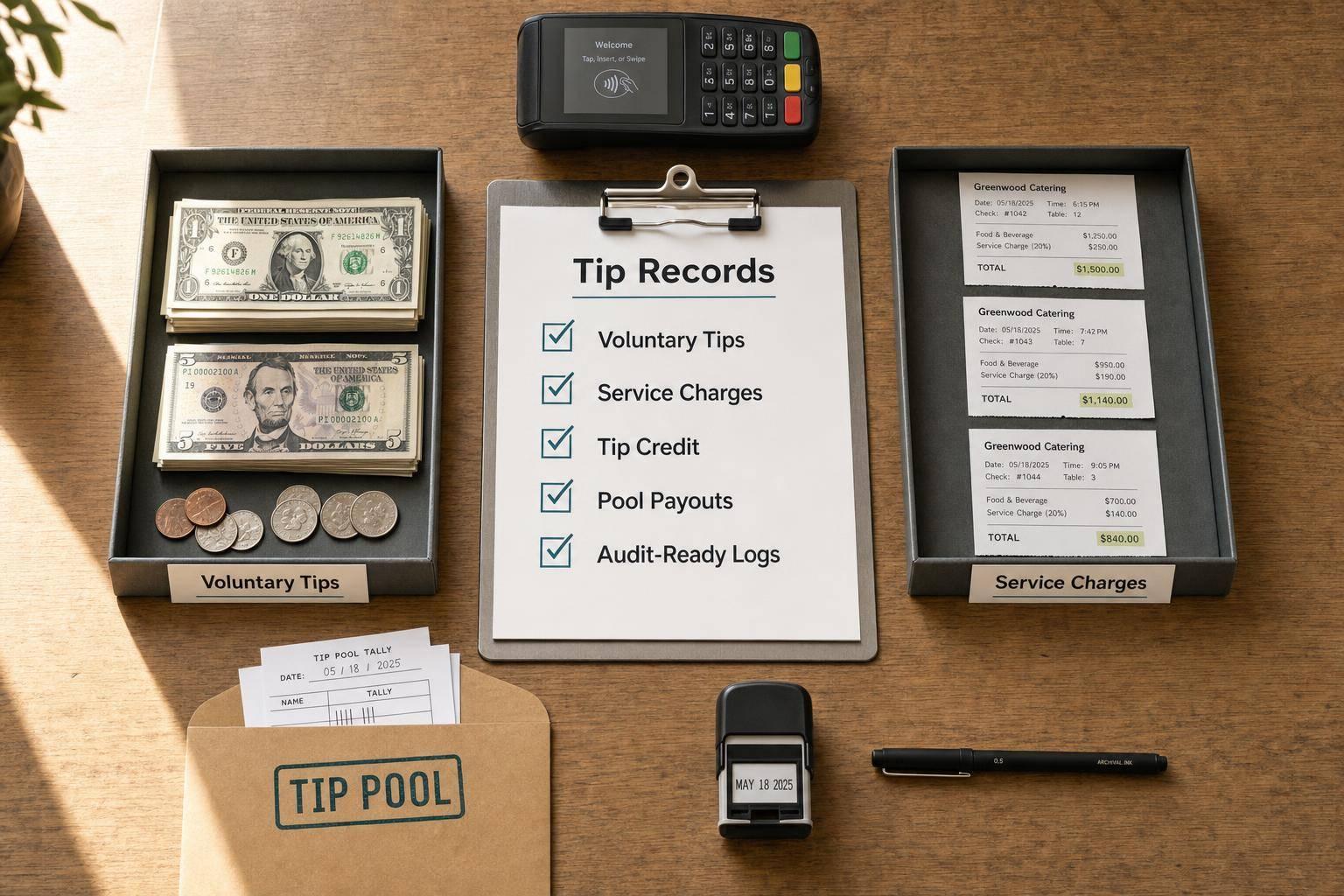
If the worker handled tips or service charges, keep those records as well. That includes daily tip totals, tip pool distributions, tip credits taken, and how service charges were labeled and split. If your written policy or agreement calls for a PTO or vacation payout at separation, confirm that amount before the final paycheck goes out.
New York requires payroll records to be accurate, created at the time of work, and kept for at least six years. In plain English: build the record as the work happens, not later from memory.
The biggest final-pay problem usually isn’t bad math. It’s a missing record.
A worker leaves in the middle of a pay period, the original schedule no longer matches what took place, and payroll pays the wrong amount. That’s where a central record helps.
When schedules shift after booking, one shared source makes it much easier to confirm the last worked shift. Quickstaff keeps event assignments, availability, waitlists, and manager messages in one place, so payroll can verify the final worked shift before issuing pay. When a last-minute cancellation or replacement hits during a packed event weekend, the record of who actually worked - and who didn’t - is already there.
That kind of record cuts down on corrections, helps payroll move faster, and gives you a clearer audit trail.
The rule stays the same. The file does not.
In New York, all earned wages are due by the next regular payday, no matter how the worker left. What changes is the paperwork: track the last shift worked, actual hours, overtime, and any policy-based payouts before issuing the check.
No. In New York, employers do not have to hand over final pay on the same day an employee is fired or quits.
Instead, wages the employee already earned must be paid by the regular payday for the pay period when the termination happened. If the employee asks, payment can be mailed.
If an event worker leaves in the middle of a shift, record the exact time they stopped working. Employers still have to pay for all hours actually worked, including the part of the shift the worker already finished.
Accurate timekeeping records help support compliance and protect your business if wage questions or disputes come up.
The search results don’t say if or when unused PTO must be paid after termination or resignation.
At the federal level, there’s no law that requires employers to pay out unused PTO. But state law or company policy may say otherwise. So the answer often comes down to where you work and what your employer’s policy says.
Check your state or local labor department rules for your jurisdiction.