10 Tips for Managing Last-Minute Staff Changes
March 21, 2026


When last-minute staff changes disrupt your event, preparation and quick actions can save the day. This guide covers 10 actionable strategies to handle unexpected absences and scheduling conflicts effectively:
Pro Tip: Tools like Quickstaff simplify managing these strategies with features like real-time availability tracking, automated reminders, and shift management. By planning ahead and using technology, you can minimize disruptions and keep your events running smoothly.

10 Strategies for Managing Last-Minute Staff Changes at Events
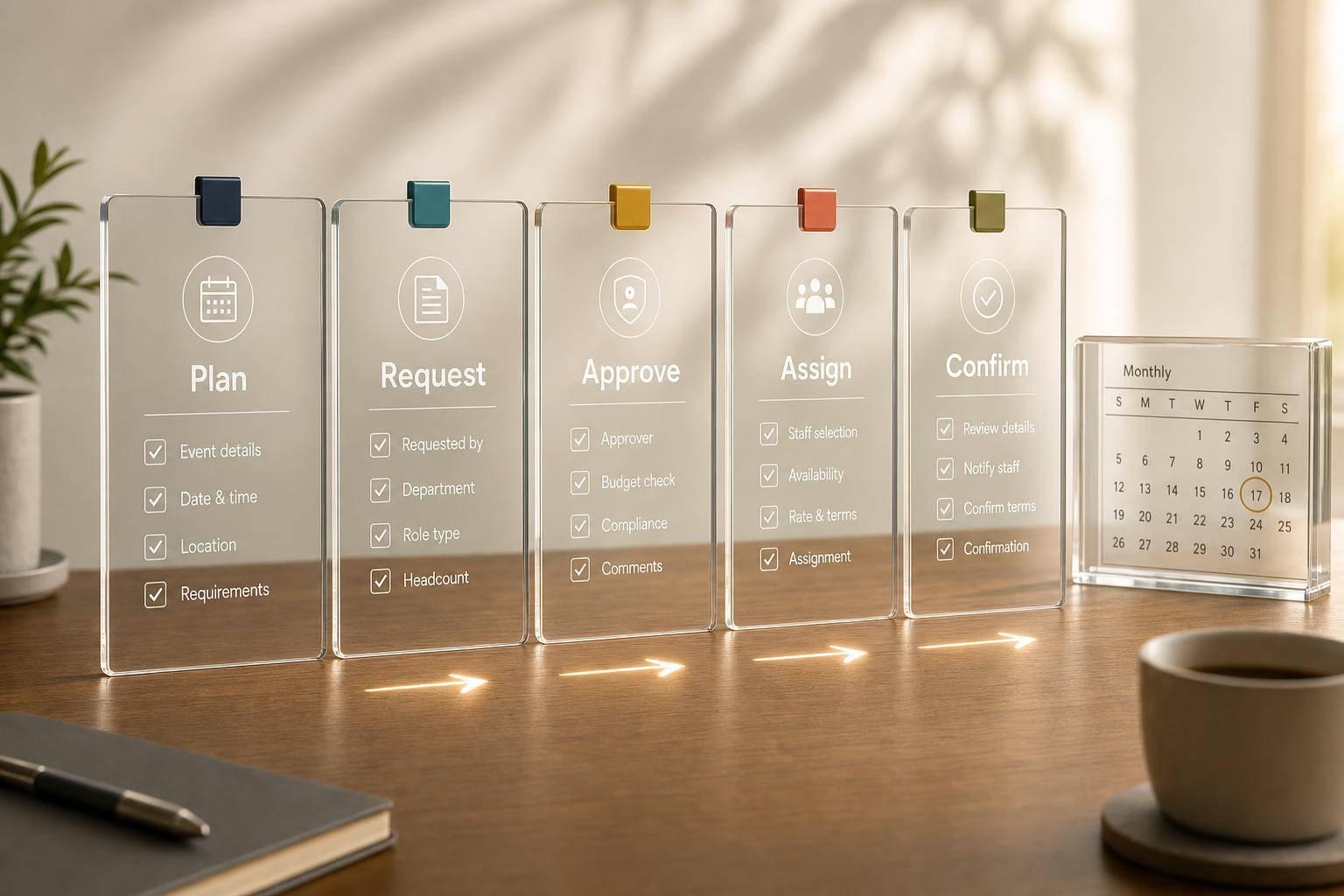
Having a clear and well-documented change request policy is essential for handling last-minute staff changes smoothly. This policy should outline how schedule adjustments are managed and define what qualifies as "last-minute." Typically, this means changes made 24–72 hours before a shift, unless local fair workweek laws require 7–14 days' notice.
It’s important to designate who has the authority to approve these changes. This is often a staffing manager or a designated task force. As EventMobi emphasizes, "Their role should be to troubleshoot and problem solve and they need to be empowered to make fast decisions". By clearly defining decision-making authority, you can avoid unnecessary delays and keep the process efficient.
Every change request should be documented with details like the reason for the change, the timestamp, and acknowledgment from the employee. If the shift involves a role requiring specific certifications - such as food safety or liquor licenses - make sure credentials are verified before the role is reassigned.
To minimize disruptions, consider a volunteer-first approach for filling open shifts. This allows employees who are willing to take on extra hours to step in, reducing the need for forced schedule changes. Additionally, establish emergency protocols for situations like severe weather, sudden illness, or system failures. These protocols should allow for bypassing standard notice requirements when absolutely necessary.
Stable and predictable schedules have measurable benefits: they reduce sleep disturbances by 23%, decrease stress by 15%, improve job satisfaction by 18%, and lower unplanned absenteeism by 12%.
Once you've set a clear change request policy, it's time to prepare for the unexpected - like sudden staff absences. With an absentee rate of 3.8% in the hospitality industry, you can anticipate around three to four no-shows per 100 scheduled employees. This is where having a standby staff pool becomes invaluable. It’s essentially your safety net, ensuring operations run smoothly no matter what.
To stay ready, consider a tiered hiring strategy:
"Shadow staff don't feel like extras. They feel like the event's secret strength. They know they're there to step in and carry the same energy and care as the original crew." - Chris Bates
Make sure your standby pool is made up of people who already understand your operations. Cross-training is key - equip staff with the skills to handle multiple roles, like service, setup, or bar support, so they can step into any gap that arises. Using a digital talent database can help you quickly match available staff with open shifts while ensuring they meet any necessary certifications.
Data shows that organizations with structured emergency plans manage to fill 86% of last-minute vacancies without disrupting service. To keep your standby team motivated, offer predictable assignments and prioritize their preferred shifts. Specialized hiring platforms report that 95% of positions are filled within 24 hours.
Tools like Quickstaff make managing standby staff easier by tracking availability in real time and sending instant notifications when shifts open up. It’s a simple way to keep your team ready for anything.
Relying on manual scheduling can lead to common scheduling problems like double-bookings and missed assignments. Automated conflict detection steps in to prevent these problems before they turn into last-minute scrambles. For example, if your scheduling software flags that a team member is already assigned to another event or has marked themselves unavailable, you can address the issue well in advance.
Unlike static spreadsheets, live rosters provide real-time updates on availability. This means you can instantly spot gaps in critical roles - like catering, bar service, or AV support - and focus on filling those positions quickly and effectively.
Automated reminders are another game-changer for reducing no-shows. Scheduling tools that send text confirmations and push notifications in the days leading up to a shift help ensure staff stay on top of their assignments. These reminders reduce the chances of forgotten bookings while keeping everyone on the same page.
When it comes to shift swaps and drops, having a system with supervised flexibility is crucial. As Chris Bates puts it, "Platforms that allow for monitored shift drops or swaps give team members flexibility without leaving roles unfilled". By requiring supervisor approval for changes, your scheduling system ensures that adjustments won’t result in unexpected staffing gaps. Tools like Quickstaff provide real-time availability tracking and instant conflict alerts, so you can fix issues before they disrupt the event.
Catching conflicts early gives you more options - whether it’s tapping into your standby pool, approving a shift swap, or reworking your staffing plan. This proactive approach helps keep your event running smoothly, even when last-minute changes arise.
Keeping schedules accurate and up-to-date can feel like a juggling act. But when staff can update their availability in real time, it eliminates the guesswork. A digital platform for availability tracking ensures you’re working with current information - not outdated assumptions from weeks ago.
Take Blue Plate Catering, for instance. They moved from spreadsheets to a mobile platform, slashing scheduling and payroll tasks from 20 hours a week to just 20 minutes. Plus, they saved over $10,000 annually in overtime costs.
"Double-booked shifts, forgotten schedules, or assumptions about start times lead to no-shows. Using a scheduling tool that sends automatic reminders can prevent these headaches." - Qwick
With tools like Quickstaff, event staff can update their availability on the go. This keeps your schedule in sync and allows you to address gaps immediately.
The self-service model also cuts down on back-and-forth communication. Instead of sorting through texts and calls to figure out who’s available, staff can input their updates directly into the platform. This not only saves you time but also ensures your roster stays accurate. Plus, it makes handling last-minute changes much smoother, giving you the flexibility to respond quickly when the unexpected happens.
Letting employees swap shifts can significantly reduce last-minute scheduling headaches while giving staff the flexibility to handle personal commitments. This works well alongside automated conflict detection, as it allows team members to take the initiative in adjusting their schedules. The trick is to set up a system that ensures swaps happen smoothly and responsibly.
To start, make manager approval mandatory for all shift swaps. This ensures that replacements are qualified and avoids issues like unplanned overtime or mismatched roles. For example, a server shouldn’t swap into a bartender’s shift unless they have the required skills and certifications. It’s also a good idea to establish clear rules, like requiring 48–72 hours' notice for swaps and restricting swaps during high-demand periods to avoid scheduling chaos or compliance problems.
Companies that allow shift swapping often see impressive results: staff retention improves by 15–24%, call-outs drop by 60%, and managers save about 40% of their time on administrative tasks. One manufacturing facility even cut unplanned overtime costs by $8,000 per month by implementing a shift trade policy.
"When employees feel trusted to manage their own schedules, they're more invested in meeting coverage commitments." - xshift.ai
Tools like Quickstaff make this process effortless by letting employees propose swaps directly through the platform. Managers retain control with a simple approval process, and every approved swap updates the master schedule in real time. This integration with digital scheduling tools ensures everyone knows who’s working when, eliminating confusion.
Cross-training your team creates flexibility, ensuring that critical roles are always covered, even when someone is unavailable. Instead of scrambling to find an exact replacement, you can depend on team members who are prepared to step into those key positions without missing a beat.
Start by conducting a skills gap analysis to pinpoint the roles and tasks that could disrupt operations if left vacant. Focus cross-training efforts on these areas first. For instance, if a specific role often goes understaffed, train other team members to handle those responsibilities when needed.
A practical way to implement this is by setting up a buddy system. Pair experienced employees with trainees during slower periods to allow hands-on learning without disrupting peak operations. This approach helps staff gain real-world experience while keeping the workflow smooth.
Cross-training doesn’t just prepare your team for unexpected absences; it also allows for greater flexibility during high-demand periods. For example, a team member responsible for setup can step into a service role if there’s a sudden surge in demand during an event.
"Cross-training... ensures that when someone calls out sick, goes on vacation, or simply wants to trade shifts, another team member is ready to step in." - myshyft.com
To make this strategy even more effective, consider offering incentives like pay increases, bonuses, or career growth opportunities for employees who acquire new skills. This not only improves operational efficiency but also boosts morale by showing your team that their professional development matters. Tools like Quickstaff’s skill tracking system can help you maintain a clear record of each employee’s abilities, making it easier to find replacements quickly when unexpected changes arise.
Posting schedules at least 2–4 weeks before events isn’t just a good practice - it’s often a legal requirement. For instance, cities like San Francisco enforce predictive scheduling laws, requiring employers to provide work schedules at least two weeks in advance. Failing to do so could result in "predictability pay", which means paying extra compensation for last-minute schedule changes. But beyond avoiding penalties, early scheduling fosters a sense of dependability among your team.
When schedules are set in advance, employees can better plan their lives. This means they can arrange childcare, schedule appointments, or manage other personal obligations without scrambling. For managers, it provides breathing room to address staffing needs, such as checking certifications or filling gaps. For example, you can confirm that bartenders have up-to-date liquor licenses or ensure food handlers have valid certifications. Plus, structured scheduling approaches have been shown to boost employee retention by 23% and improve customer satisfaction by 18%.
To minimize last-minute disruptions, set clear deadlines for employees to confirm their shifts. Tools like Quickstaff’s automated reminder system can send notifications via text or push alerts, helping employees stay on track. Considering that 40% of last-minute schedule changes stem from employee absences, these automated reminders can significantly cut down on no-shows.
As Heart of the House wisely puts it: "Staff early = stress less". Early scheduling isn’t just about compliance - it’s about creating a smoother, more reliable operation for everyone involved.
Imagine this: a staff member calls in sick just 30 minutes before an event. Who’s responsible for finding a replacement? Without a clear decision-making process, precious time slips away while everyone waits for someone else to step in.
Organizations that establish formal systems for handling last-minute changes report resolving scheduling disruptions 67% faster. Chris Bates highlights the importance of having a designated first responder in each team: "A clear first responder in each team to handle no-show replacements". This approach allows event leaders to act quickly when faced with staffing changes.
To make this work, roles need to be clearly defined. Document your chain of command for different types of staffing issues. For example, a shift lead might handle minor delays, like a server being 15 minutes late. But for major gaps - say, a critical role at a high-profile event - a department manager may need to step in, authorize overtime, or pull from a standby pool. As Eventsforce notes, "Each team member should have a clear understanding of their individual roles and responsibilities, especially during any last-minute changes".
Empower team leads with real-time tools to make quick decisions. Platforms like Quickstaff allow managers to check availability, review certifications, and send out shift offers directly from their phones. This kind of access ensures your team can react swiftly and effectively.
To make these processes second nature, practice decision-making with mock scenarios. Ask questions like, "The lead server just canceled - who’s the first call?" or "Two bartenders are stuck in traffic - who decides if the bar opening is delayed?" Alison Green from Ask a Manager suggests focusing on the bigger picture: "The question to ask should always be, 'What's the impact of this on our ability to get work done at a high level over the long-term?'". With regular practice, your team will approach unexpected challenges with confidence instead of hesitation.
When a bartender cancels just 90 minutes before a wedding reception, quick communication becomes non-negotiable. That’s where mobile communication tools come in, adding a crucial layer of speed and efficiency to your staffing strategy.
These tools allow you to send out urgent updates to your team instantly. Platforms like Quickstaff enable you to post emergency shifts to a pool of pre-approved professionals on the same day. Push notifications and automated reminders ensure everyone stays informed about last-minute schedule changes.
But it doesn’t stop there. Mobile tools also shine during live events. Imagine guest counts suddenly spiking - these platforms let you reassign staff in real time. Features like on-demand shift posting, self-service swaps, and credential tracking make it easy to verify that backup staff meet the necessary qualifications.
To handle emergencies effectively, focus on filling critical roles first. For example, prioritize positions like catering leads or AV technicians. Maintaining a digital pool of dependable backup staff ensures you’re always ready for the unexpected. With Quickstaff’s mobile features, last-minute changes become manageable, keeping your event on track without missing a beat.
Prepare your team for staffing disruptions by running emergency drills. Simulating real-life scenarios - like a server calling in sick or a bartender stuck in traffic - helps your staff stay composed under pressure. These drills are a great way to build confidence and ensure everyone knows how to adapt when surprises happen.
Start by incorporating emergency drills into your overall scheduling approach. Gather your team to brainstorm potential disruptions based on their roles. For example, a server might identify how they'd handle covering a catering shift, or a setup crew member could practice assisting at the bar. These exercises allow team members to step into secondary roles, ensuring effective coverage across the board.
Consider forming a rapid-response team made up of your most experienced staff. During these drills, test your communication tools by sending real-time push notifications and reassigning roles on the spot. Platforms like Quickstaff make it easy to simulate challenges, such as a sudden increase in guest numbers or a staff member failing to show up.
After each drill, hold a debriefing session to assess what went well and what needs tweaking. Use these insights to update your "Last-Minute Response Playbook", which should include vendor contacts, pre-written communication templates, and lessons learned from previous drills.
"A flawless event isn't one where nothing changes. It's one where no one notices when it does." – Protectivity
Regular drills help your team stay sharp and ready for anything. To account for inevitable delays, build in at least 15 minutes of buffer time for staffing hiccups. With consistent practice, your team will handle unexpected challenges with calm and focus, ensuring your events run smoothly no matter what.
The 10 tips shared earlier offer a solid framework for tackling last-minute staff changes with confidence. These situations don’t have to spiral into chaos. What makes the difference is focusing on three key elements: preparation, communication, and flexibility. By setting up standby pools, cross-training your team, and establishing clear decision-making processes, you can create a safety net that minimizes disruptions. Without these measures, even one unexpected absence can snowball into service delays and a less-than-ideal guest experience.
Communication tools are equally critical. Real-time updates ensure that everyone is on the same page when shifts need to be adjusted. It’s no surprise that event planning is consistently ranked as one of the most stressful jobs - on par with emergency services - largely because of the constant need to address last-minute changes.
Flexibility is another crucial factor in maintaining a healthy work environment. When teams lack a flexible system for handling changes, the remaining staff often bears the brunt, leading to higher stress levels and potential burnout. Using strategies like shift swaps and backup lists can help distribute responsibilities more evenly, keeping morale intact even during unexpected challenges.
Quickstaff brings all these strategies together into one streamlined platform. With features like automated conflict detection, availability tracking, waitlists, and unlimited messaging, it simplifies managing schedule changes. The centralized event calendar provides instant insight into who’s available and qualified, while push notifications ensure updates are communicated quickly - no more juggling phone calls or endless text threads.
Your pool of standby staff should be sufficient to handle essential roles and cover any unexpected absences. The ideal size will vary based on the event's complexity and your specific staffing requirements. However, it’s crucial to have backups for critical positions to keep everything running smoothly, even if last-minute changes occur.
A good shift swap policy ensures fairness, safety, and efficient operations. It should clearly explain how employees can request a swap, outline the approval process, and specify any deadlines or restrictions.
Key considerations include:
When a policy is well-structured, it minimizes scheduling problems and helps boost employee satisfaction.
To stay in line with predictive scheduling laws, it's crucial to keep up with state-specific rules. For example, New Jersey enforces the Temporary Workers’ Bill of Rights, while Illinois has updated its Day and Temporary Labor Services Act. These regulations often focus on areas like fair pay, transparency in job terms, and workplace safety. Make it a habit to review legal updates regularly and adjust your staffing policies to ensure you're providing clear and compliant employment terms.