Shift Swap Policy Generator
July 4, 2026

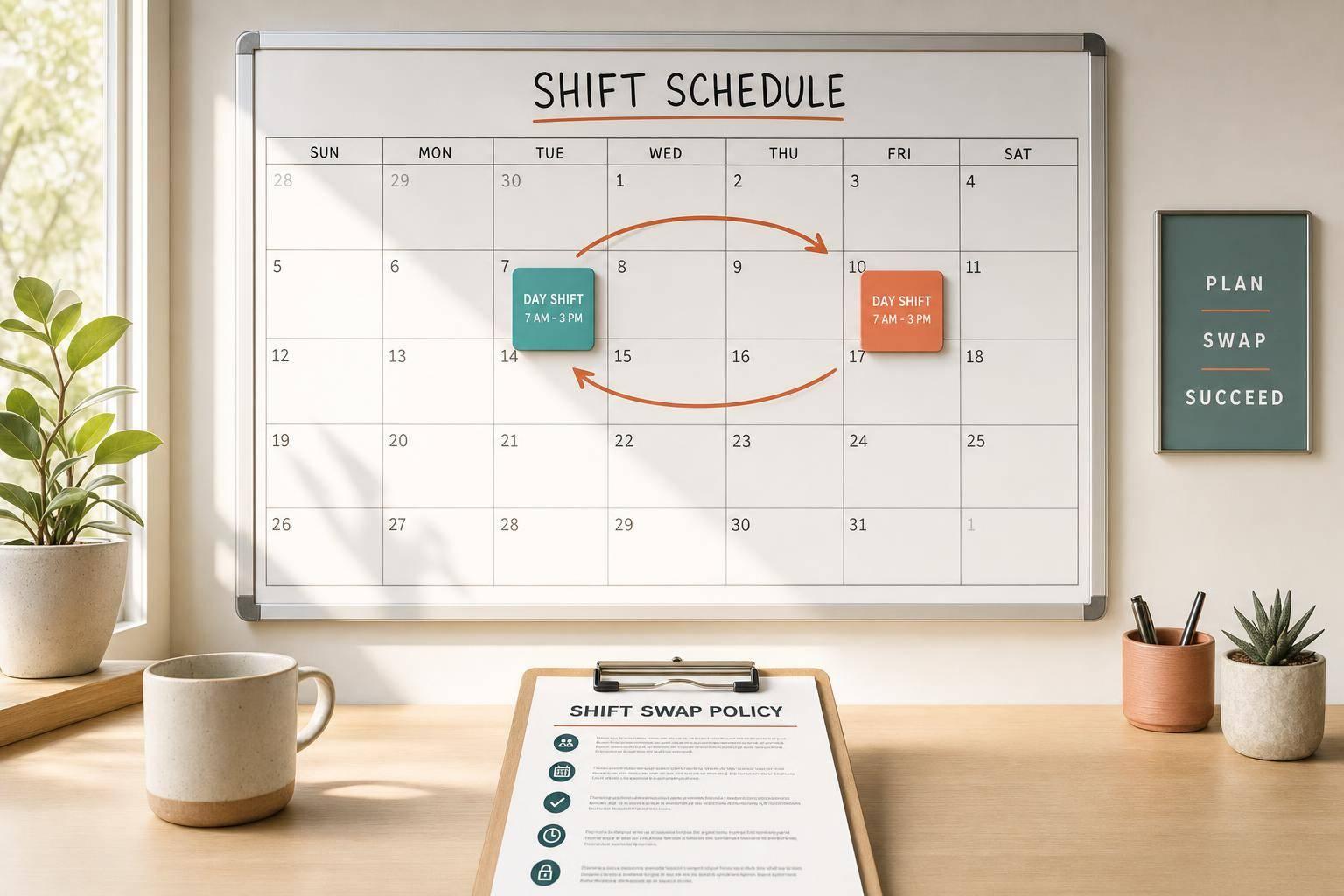
A clear shift swap policy generator can save managers and HR teams a lot of time. When employees know exactly how to request a trade, who approves it, and what rules apply, scheduling becomes more predictable and disputes are easier to prevent. This tool helps you create a professional policy that reflects your workplace, whether you manage a restaurant, retail team, healthcare office, warehouse, or another fast-moving operation.
Instead of relying on a generic template, you can build a policy around your real scheduling practices. Set notice requirements, define whether manager approval is always required, clarify coverage expectations, and decide how overtime-triggering swaps should be handled. You can also include emergency procedures, attendance responsibility rules, and optional compliance notes.
The finished draft is organized into clear sections, making it easy to review, share, and update. If you need a dependable way to document internal scheduling rules, this shift swap policy generator gives you a clean starting point. It’s especially useful for teams that want a consistent employee swap policy without spending hours writing one from scratch.
It’s built for managers, HR teams, supervisors, and small business owners who need a consistent way to handle employee shift swaps. Whether you run a restaurant, retail store, clinic, warehouse, or office, the tool helps you create a policy that matches how your workplace actually operates.
Yes. If your workplace handles emergency swaps differently, the generator can add a separate section that explains that process clearly. That helps you set expectations for urgent situations without making the standard request process confusing.
The tool creates a professional draft that’s practical and ready to use, but it isn’t a substitute for legal advice. Because labor rules and scheduling requirements can vary by state, city, industry, or union agreement, it’s smart to have HR or legal counsel review the final policy before rollout if needed.