Event Staff Needs Calculator
May 25, 2026

Planning the right team size can make or break an event. If you schedule too few people, service slows down, setup drags, and cleanup becomes stressful. If you overstaff, costs rise fast. An Event Staff Needs Calculator helps event planners find a practical middle ground by turning guest count, event length, and service expectations into a simple estimate.
Whether you’re organizing a wedding, corporate function, concert, or private party, staffing needs often depend on how many attendees you expect and the level of service you want to deliver. This tool uses clear ratios for basic, standard, and premium service, then adjusts the estimate for longer events. That makes it easier to build schedules, prepare quotes, and avoid last-minute hiring issues.
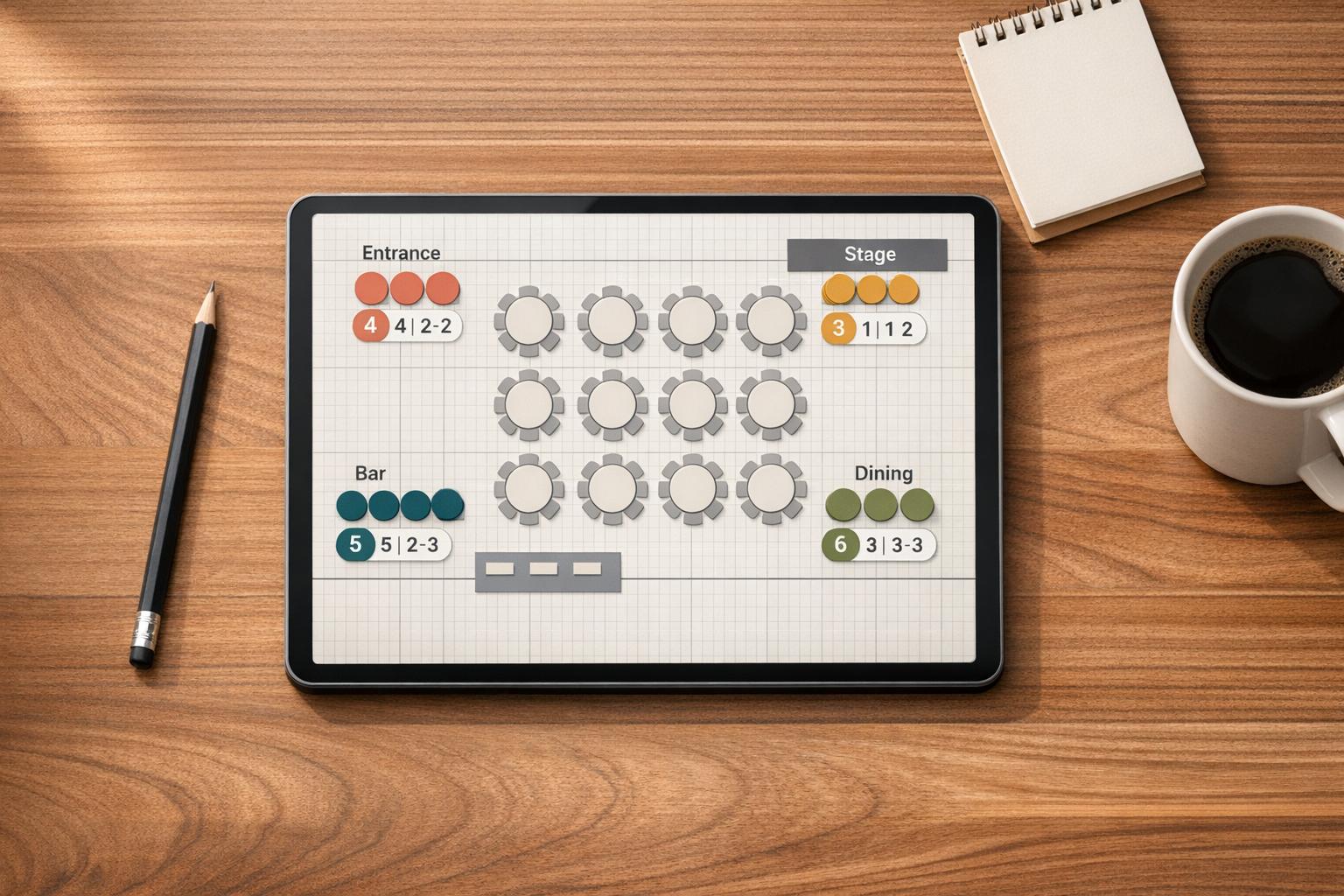
A good event staff calculator should do more than produce one number. It should help you understand how that headcount is distributed across service staff, setup and cleanup crews, and management support. With a transparent formula and an easy breakdown, this tool gives planners a quick staffing estimate they can actually use in real-world event planning.
This calculator is designed to give you a practical planning estimate, not a rigid staffing rule. It uses simple attendee-to-staff ratios and a duration adjustment so you can get a solid starting point fast. Real staffing needs can change based on venue layout, meal service, bar service, security requirements, and how hands-on the event experience needs to be.
Longer events usually require more coverage, more breaks, and more support across setup, active service, and cleanup. That’s why the tool adds 10% more staff for every 4 hours beyond 8 hours. It’s a simple way to account for the extra workload without making the calculation hard to follow.
Yes. The calculator is built for common event formats like weddings, corporate gatherings, concerts, and private parties. While the base logic stays consistent, the event type helps users frame the estimate in a real planning context. If your event has unusual logistics, heavy production demands, or multiple service zones, you may want to treat the result as a baseline and adjust from there.