Conflict Resolution in Catering and Event Teams
December 16, 2025

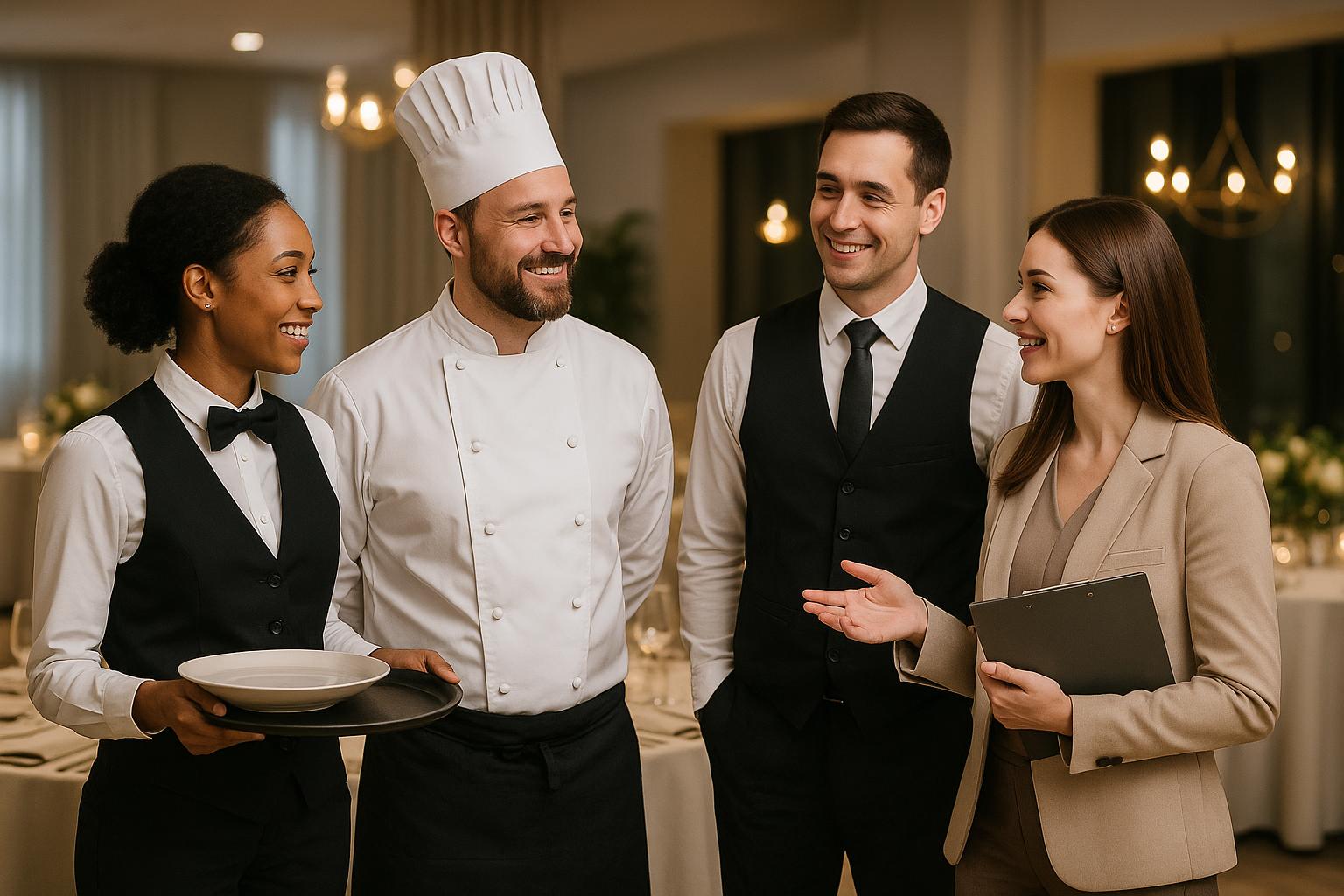
In catering and event management, conflicts are common but manageable. Miscommunication, scheduling issues, and unclear roles are the biggest triggers, leading to stress, service delays, and even guest dissatisfaction. Resolving these challenges requires clear communication, structured scheduling systems, and defined responsibilities.
Key takeaways:
To address conflicts:
Prevent future issues with proactive strategies:
Tight deadlines, guest-facing responsibilities, and last-minute changes can turn small issues into major disputes. Let’s take a closer look at some of the most common causes of conflict in event teams.
Scheduling is one of the biggest sources of tension in catering and event teams. Manual scheduling often leads to double-bookings or assigning shifts to unavailable staff. Imagine scheduling a server for two weddings on the same Saturday - this not only creates stress but also complicates management efforts.
Last-minute cancellations make things worse. During busy wedding seasons, a vendor no-show can force coordinators to reshuffle schedules without knowing who’s available. This can lead to feelings of unfairness or even accusations of favoritism when clear scheduling rules aren’t in place.
"Not knowing who is available IS stressful. Seems like you go through the same song and dance for every event just trying to figure out who is even available." - Quickstaff
Another issue arises when staff can’t easily communicate their unavailability. For example, a bartender with a family commitment might still end up on the schedule, requiring last-minute adjustments. Studies estimate that 30–40% of team disputes in high-pressure event environments are tied to shift overlaps and availability issues.
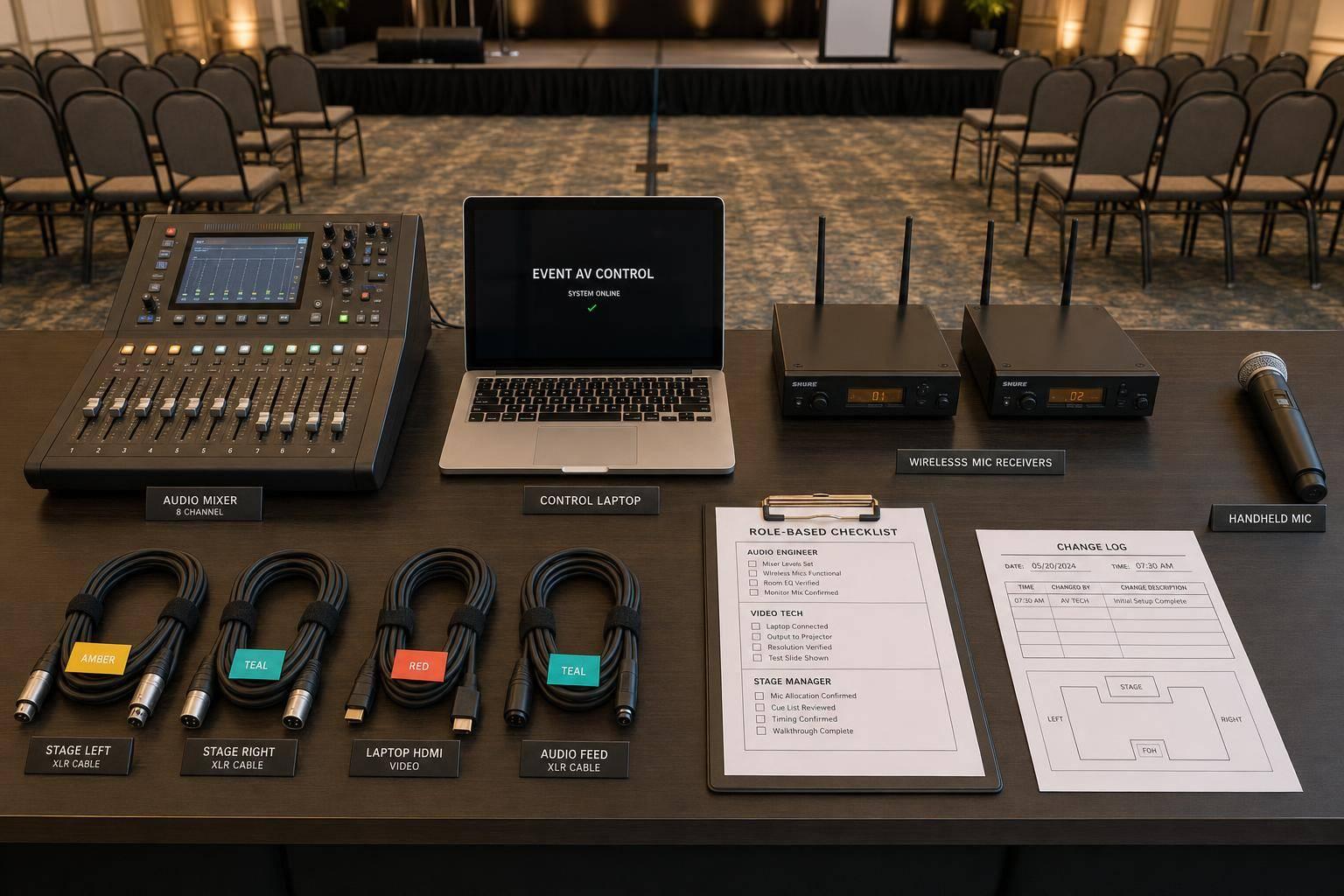
Fast-paced events amplify even minor communication errors. There’s little time for clarifications, which makes breakdowns especially harmful. For instance, if a kitchen staff member assumes a dietary change has been communicated but it hasn’t, guests could receive the wrong meals, leading to finger-pointing between teams. Similarly, at a corporate gala, a coordinator might misinterpret a nod from the AV technician as confirmation that the microphones are ready - only to face technical issues that disrupt the CEO’s speech. Without proper feedback loops or confirmation protocols, assumptions can quickly escalate into larger conflicts.
Missed messages and lack of reminders also contribute to staff no-shows, leaving those who are present to pick up the slack. This not only increases stress but can also erode trust in management.
Unclear job responsibilities are another common source of friction. When roles aren’t well-defined, tasks can be duplicated or overlooked entirely. For instance, bartenders and servers at a large gala might both claim priority over a limited supply of ice, delaying service and wasting time in the process. Similarly, when setup crews and waitstaff compete for table linens or equipment carts, the lack of clear allocation rules can lead to resentment.
Role confusion can also result in critical oversights. In one case, two outreach team members each assumed the other had confirmed vendor arrangements. The mistake wasn’t discovered until days before the event, leading to a frantic scramble to fix the issue - and plenty of mutual blame. Clearly defined roles and responsibilities are key to avoiding these kinds of misunderstandings and ensuring smooth operations.
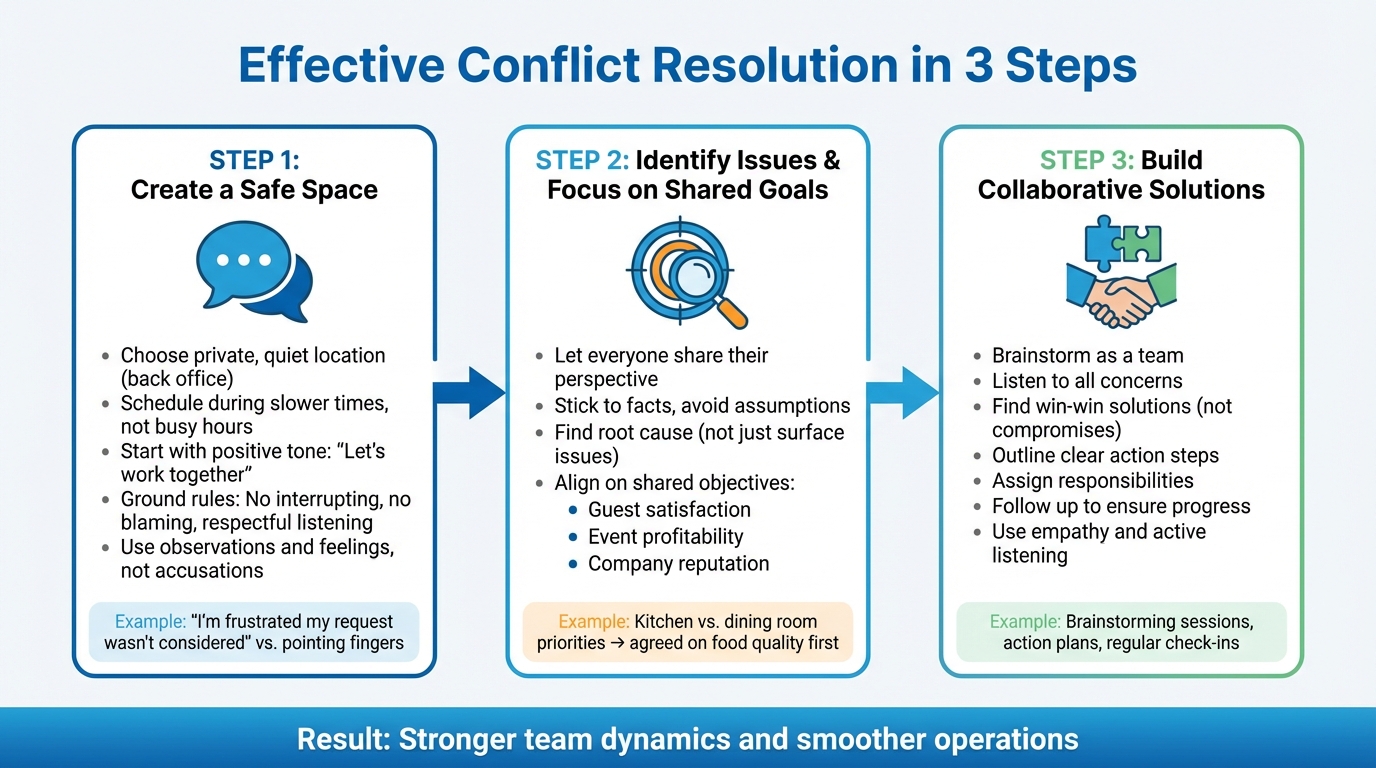
3-Step Conflict Resolution Process for Event Teams
Once you’ve identified what’s causing conflicts, the next step is figuring out how to resolve them effectively. Addressing disputes quickly and fairly is key to restoring team harmony and ensuring everything runs smoothly.
Timing and setting matter when dealing with conflicts. Don’t try to address issues during busy hours or in front of customers. Instead, find a private, quiet space - like a back office - and schedule the discussion during slower times. Start on a positive note, saying something like, "Let’s work together to find a solution," to build trust and set a constructive tone.
Before diving into the issue, establish some ground rules: no interrupting, no blaming, and a focus on respectful listening. This creates an environment where everyone feels comfortable sharing their thoughts. Encourage team members to express their concerns using observations and feelings rather than accusations. For example, saying, "I’m frustrated because my Saturday night off request wasn’t considered," is far more productive than pointing fingers. This approach fosters a sense of psychological safety, where people can speak openly without fear of judgment.
Give everyone involved a chance to share their perspective without interruptions. Stick to the facts and avoid jumping to conclusions. For instance, a disagreement in the kitchen over prep times might not actually be about speed but could stem from differing priorities, like balancing quality and efficiency.
Once the root cause is clear, shift the focus to shared goals. Take the example of two managers in a restaurant who couldn’t agree on renovation priorities. One wanted to upgrade the dining room, while the other needed new kitchen equipment. By aligning on their shared objective - improving food quality to boost profitability - they decided to fix the chef’s grill first, with plans for dining room updates later. Both sides felt heard, and a win-win solution emerged. For catering teams, shared goals might include guest satisfaction, event profitability, or upholding the company’s reputation.
The best resolutions come from collaboration. Brainstorm as a team, listen to everyone’s concerns, and identify areas where flexibility is possible. Aim for solutions that benefit both sides rather than compromises that leave everyone feeling shortchanged.
For example, if there’s tension between kitchen prep and service teams, adjust schedules to balance quality with speed. Once a solution is decided, outline clear action steps, assign responsibilities, and follow up to ensure progress. Empathy and active listening go a long way in building commitment to the agreed-upon plan.
Resolving conflicts effectively not only keeps operations running smoothly but also strengthens team dynamics. These techniques also lay the groundwork for preventing future disputes altogether.
Avoiding conflicts often comes down to addressing common pitfalls like scheduling errors, missed messages, and last-minute chaos. Just as clear communication and teamwork help resolve issues during events, proactive planning and streamlined systems can stop problems before they even start. These strategies focus on minimizing potential disruptions so your events run smoothly from the get-go.
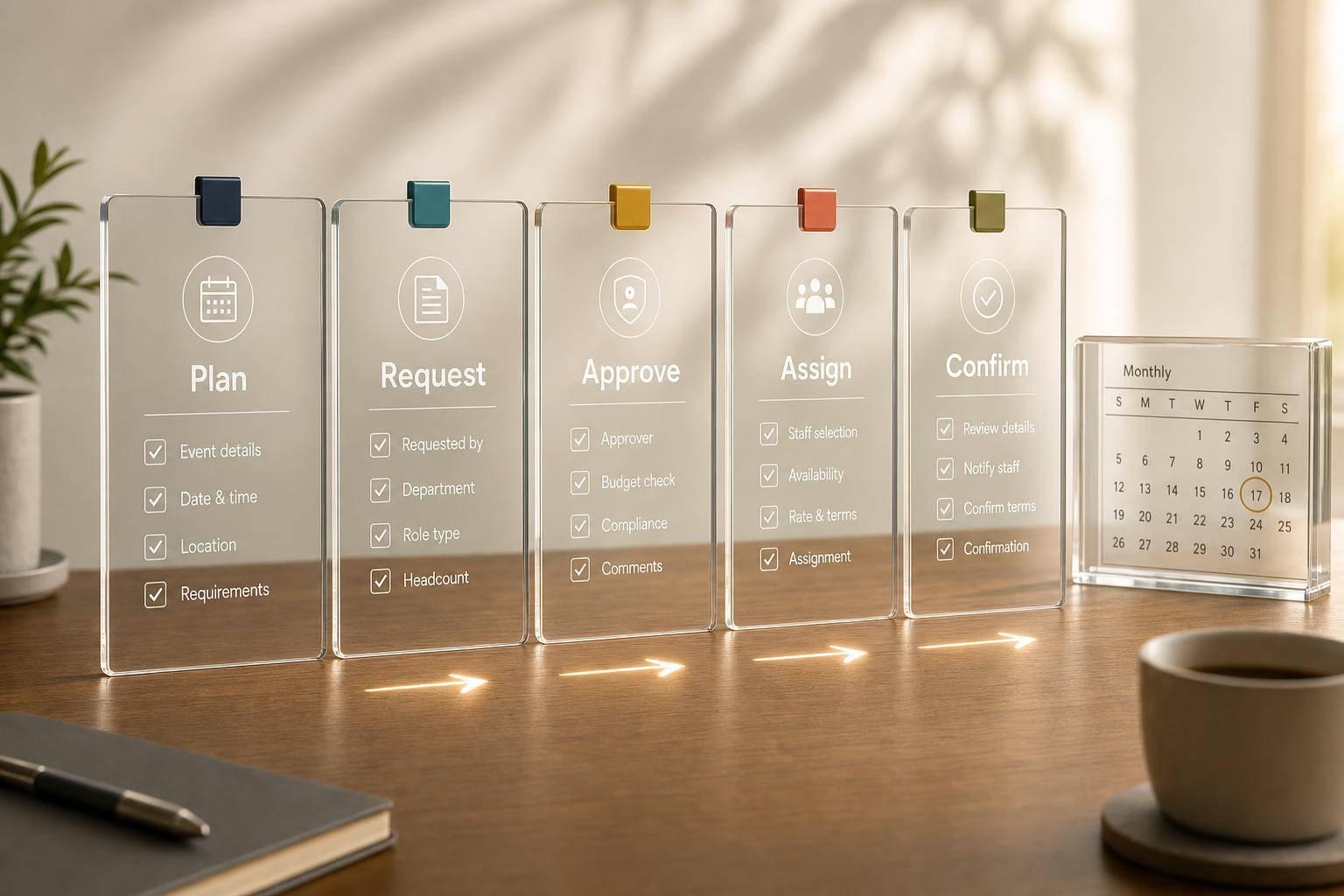
Relying on multiple scheduling tools or informal methods often leads to double-bookings or unfilled shifts. A centralized system consolidates all event details, roles, and assignments into a single live calendar accessible to everyone. This ensures no surprises, like shifts starting at odd times or key positions being left unstaffed.
For example, Quickstaff allows managers to create and manage events in one place. You can assign roles - like server, bartender, or captain - and invite only those team members who’ve marked themselves as available. Staff confirm or decline shifts right from their phones, keeping the schedule up-to-date in real time. The system also tracks availability to prevent assigning shifts to someone already booked. Additionally, the centralized event view provides key details, such as the date (MM/DD/YYYY format), time, location, and notes.
"I used to be on the phone all the time to schedule staff. Now, within a few minutes, I can schedule all the staffing I need for my events." - Steven Townsend, Event Manager
To make the most of centralized scheduling, establish clear policies. Publish schedules at least five to seven days in advance, set a weekly deadline for staff to update their availability, and require all shift changes to be managed through the platform instead of informal channels like text messages.
Miscommunication is a common cause of team conflicts, especially when updates are shared verbally or through scattered text threads. Centralized messaging tools ensure that every team member gets accurate, timely updates without the confusion of mixed messages.
Features like group messaging by event or role, push notifications for urgent updates, and message histories help keep everyone informed. For instance, a quick note like "Buffet opens at 7:15 p.m., not 7:00 p.m." can instantly reach the entire front-of-house team, preventing service errors and unnecessary blame. Quickstaff’s messaging system allows targeted communication, ensuring updates are relevant to specific groups. Message templates for briefings and updates add consistency and clarity.
To avoid information getting lost, set clear expectations: use the platform exclusively for event-related updates and confirmations. This keeps critical messages from being buried under unrelated conversations.
Last-minute staffing changes are often a headache, involving frantic phone calls and potential disputes. Automated waitlists simplify this process by letting pre-approved staff indicate their availability for open shifts. When a cancellation occurs, the system notifies waitlisted staff and fills the position based on criteria like first-come confirmation, seniority, or hours worked - making the process transparent and fair.
With Quickstaff, managers can flag events as needing backup staff and allow team members to join a waitlist. If someone drops a shift at the last minute, the system sends an instant alert to the waitlist, and the first person to respond secures the spot. Managers can also prioritize workers with specific skills or fewer recent hours, ensuring staffing decisions remain consistent and fair.
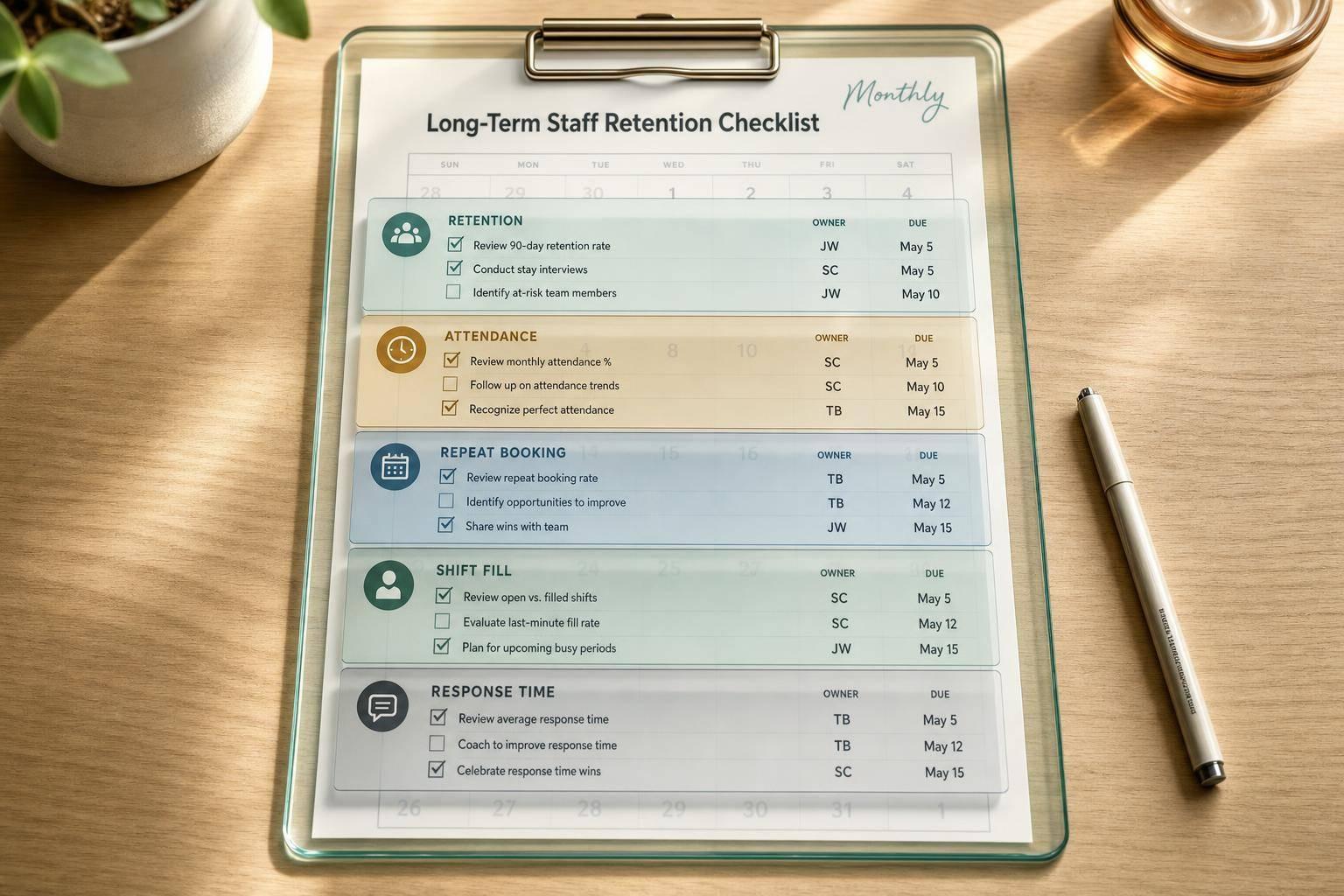
Training plays a big role in making these systems effective. During orientation and team meetings, teach staff how to navigate schedules, respond to messages, and use features like availability updates and waitlists. Foster a culture where the system is the go-to source for all scheduling and communication. Regularly monitor metrics like no-shows, shift disputes, and response times to ensure these strategies are working as intended.
Creating a strong, unified team over the long haul requires consistent feedback, solid backup plans, and timely recognition. These elements foster collaboration, adaptability, and mutual respect among team members.
Regular feedback and training sessions are essential for keeping teams aligned and improving performance. Feedback should be concise, scheduled, and focused on behaviors. A simple structure like "What worked / What needs improvement / What we'll do next time" during weekly meetings or post-event reviews ensures discussions remain productive. Ground rules - such as avoiding blame, using "I" statements, and giving everyone a chance to speak - create a safe space for open dialogue.
For example, if miscommunication during a kitchen event caused delays, the team could decide to adopt a single communication tool, like a radio or app, to streamline updates. Tracking recurring issues helps managers tailor training sessions to address specific areas like communication, timing, or role clarity.
Effective training topics include conflict resolution basics (e.g., active listening and focusing on shared goals), communication skills, managing emotions during high-pressure moments, and cross-training to enhance understanding of different roles. Interactive methods like role-playing and crisis simulations are far more engaging than lectures. Short, recurring sessions - such as monthly quick trainings and quarterly in-depth workshops - help reinforce skills through repetition and real-world examples.
"My time spent scheduling has shrunk majorly, leaving me more time to focus on recruiting, onboarding, and training." - Jennifer Manley, Staffing Coordinator
Managers can also use pre-shift briefings to clarify roles, timelines, and escalation procedures, while practicing one quick skill. During events, supervisors can provide brief, on-the-spot coaching that focuses on observable behaviors. A short post-event standup where team members share "one win, one improvement" keeps reflections light yet meaningful, setting the stage for flexible responses and effective backup planning.
To build stability, backup plans are just as important as regular feedback. These plans might include cross-training staff to cover adjacent roles - like training servers as runners or bartenders to assist with bussing during busy times - and creating written contingency checklists for common disruptions, such as staff absences, traffic delays, equipment failures, or bad weather. These checklists outline decision-making processes, allowing teams to pivot quickly and calmly when issues arise.
For instance, if a server calls out shortly before a corporate reception, a clear protocol might involve contacting the on-call pool, reassigning table sections, or adjusting the service style - switching from plated meals to a buffet for certain items - to maintain quality and reduce stress.
Flexible scheduling also plays a big role in minimizing conflict. Transparent processes that let team members indicate availability, request preferred shifts, and swap shifts fairly build trust. When staff feel that time-off requests and last-minute changes are handled equitably, resentment and perceptions of favoritism decrease.
Technology can simplify scheduling and communication. Tools like Quickstaff allow managers to create event-specific rosters, track confirmed staff, and notify teams about changes in real time. Features like messaging and event updates - such as revised load-in times or service order changes - ensure everyone stays on the same page, reducing confusion and mid-event conflicts.
Recognizing achievements is a powerful way to reinforce team unity. In the catering and events world, recognition works best when it's specific and timely, tied to team values like collaboration, reliability, and guest satisfaction. Instead of vague compliments like "good job", highlight specific actions - such as someone's quick thinking during a timeline change that kept everything running smoothly. Balance individual shout-outs with team-wide appreciation, like a rotating "team player" spotlight during weekly meetings, to avoid unhealthy competition.
Share positive client feedback, treat the team to meals after major events, or reward top performers with first pick of preferred shifts. These gestures are especially meaningful in an industry known for long hours and physical demands. Transparent criteria for awards or bonuses also help prevent any sense of favoritism.
Teams can also establish traditions that promote collaboration and respect. Pre-event planning sessions where everyone can ask questions, post-event debriefs focused on learning rather than blame, and cross-role shadowing to understand different challenges are all effective. Seasonal gatherings - like menu tastings, mock events, or informal celebrations - give team members a chance to connect outside of work pressures.
Leaders play a key role in fostering unity. Using inclusive language like "we" and "our event", supporting staff in front of clients, and addressing disrespect privately and promptly all contribute to a culture of collaboration and respect. Over time, these practices not only reduce conflicts but also make resolving them much easier when they do arise.
Conflict is a natural part of any team dynamic, but with the right approach, it can become an opportunity for growth. Open communication, shared objectives, and collaborative problem-solving can transform tension into progress. Just as resolving conflicts is important, preventing them is equally vital. Tools like centralized scheduling can help by cutting down on overlaps, avoiding gaps, and simplifying communication. This not only reduces last-minute chaos but also frees up managers to spend more time on essential tasks like hiring and training.
Long-term success, however, depends on consistent efforts to build trust and foster adaptability. Regular feedback sessions, having flexible contingency plans, and celebrating achievements go a long way in boosting morale and reinforcing team bonds. When people feel valued and heard, they’re more likely to work together effectively - even in high-pressure situations. This means conflicts get resolved quickly and professionally, rather than lingering and creating larger issues.
Now is the time to refine your processes. Take a close look at your current scheduling system to identify areas of friction, implement tools that centralize information, and schedule regular team check-ins. Even small adjustments - like clearly defining roles or recognizing outstanding contributions - can make a big difference in how your team operates. The payoff? A more engaged team, smoother workflows, and events that leave clients coming back for more.
Centralized scheduling tools, such as Quickstaff, simplify the complex task of managing event teams by improving communication and streamlining scheduling. These tools offer real-time insights into staff availability, ensuring shifts are assigned efficiently while minimizing the risk of double-booking or other scheduling mishaps.
By incorporating features like centralized event management and automated reminders, these tools keep everyone on the same page. Team members stay updated, reducing confusion and last-minute adjustments. The result? Better coordination and a smoother workflow for catering and event teams.
During high-pressure situations, avoiding communication breakdowns starts with setting up clear communication protocols that everyone can easily follow. Use simple, direct instructions, visual signals, and dedicated tools like radios or messaging apps to streamline exchanges. Holding regular team briefings - both before and during the event - keeps everyone on the same page and reduces the chances of confusion.
Maintaining composure under stress is just as important. Encourage your team to focus on finding solutions instead of dwelling on problems, and create an atmosphere where asking questions is welcomed. Tools that centralize information and offer real-time updates can further cut down on miscommunication, helping the team stay coordinated and efficient.
To avoid confusion and overlapping duties, catering teams need to clearly outline each team member's responsibilities well in advance of the event. Providing detailed task lists and written protocols ensures everyone understands their role. Regular team briefings are also a great way to address any lingering questions and reinforce everyone's understanding of their duties.
Leveraging tools like scheduling software can simplify task assignments, track team availability, and minimize the chances of duplicate efforts. When it comes to seamless event execution, clear communication and thoughtful planning make all the difference.